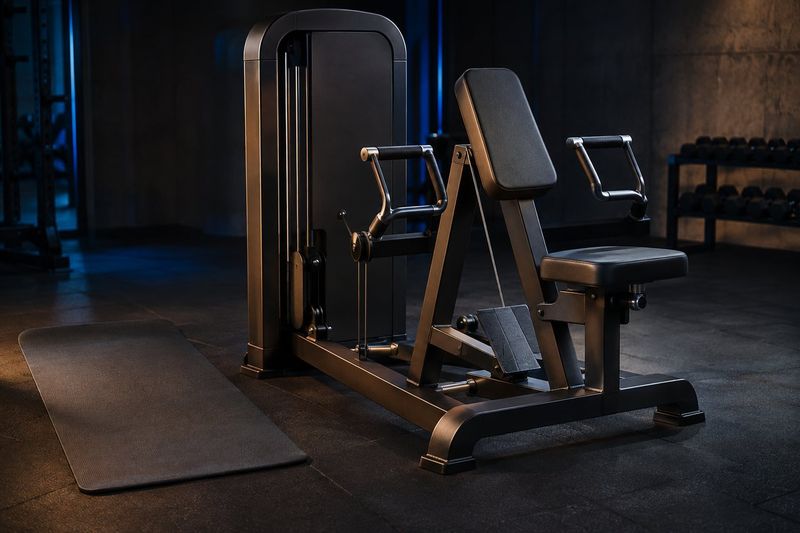
For an adult with mild, pain-free scoliosis, gym and home workouts are usually not off-limits—the key is choosing stable exercises, progressing gradually, and staying pain-free. At the same time, fitness does not "straighten" a bony curve: with moderate-to-severe curves, pain, or growing adolescents, treatment belongs to an orthopedist and physical therapist.
Two myths dominate gym advice on scoliosis: either "never lift more than 2 kg" or "a few one-sided rows will straighten your spine in a month." Here is what international guidelines and clinical reviews actually show.
Structural scoliosis vs. posture, and adolescents vs. adults
Biomechanics and clinical care separate two distinct conditions (Hall, 2022, Ch. 9; Romano et al., 2024):
- Non-structural (postural) asymmetry. A flexible lateral bend without fixed vertebral rotation that flattens with bending and posture changes, often tied to leg-length difference, habits, or spasm.
- Structural (true) scoliosis. A three-dimensional spinal deformity (lateral curve plus vertebral rotation) that persists during bending and is confirmed on X-ray via Cobb angle. Most cases are idiopathic (prevalence 0.47–5.2%, typically detected at ages 10–13).
Training goals depend sharply on age:
- Growing children and adolescents: the priority is preventing curve progression past the 30° Cobb threshold associated with greater adult complications (Romano et al., 2024). This is managed by an orthopedist and physical therapist; in the Lyon protocol, routine spinal stretching is not performed before skeletal maturity (~15–17 years) (Berdishevsky et al., 2016).
- Skeletally mature adults: exercise will not straighten a bony curve. The goal is general strength, endurance, load tolerance, pain reduction, and quality of life.
What research shows: SOSORT, Cochrane 2024, and Schroth
The international SOSORT guidelines (Negrini et al., 2018; 68 consensus recommendations) recommend physiotherapeutic scoliosis-specific exercises (PSSE, 12 recommendations) and bracing when indicated (25 recommendations) during growth. General sports (6 recommendations) do not replace specific rehabilitation but are supported for aerobic and psychological health and quality of life (Berdishevsky et al., 2016).
Recent meta-analyses show modest, realistic numbers rather than dramatic curve reversals:
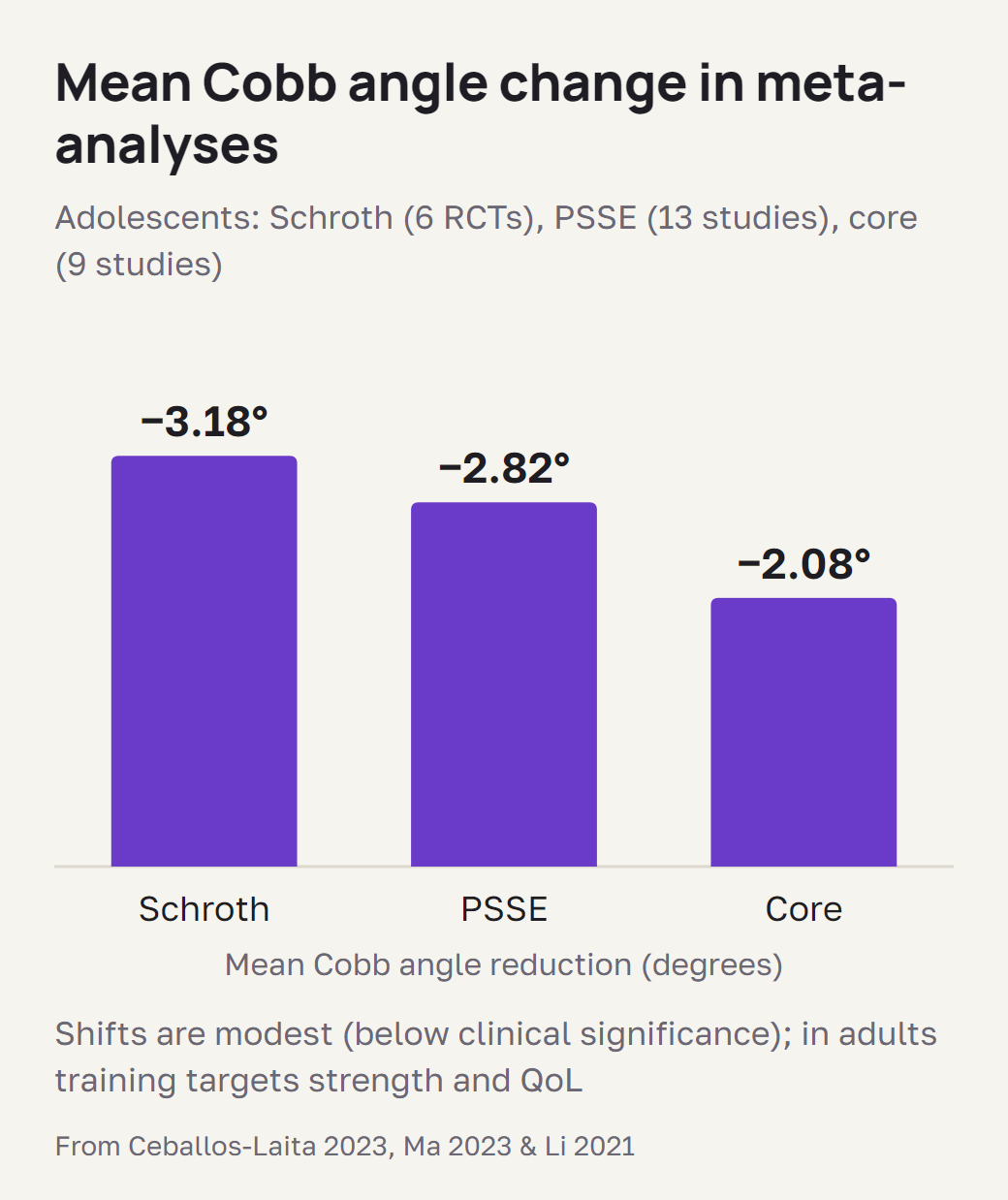
- PSSE and Schroth in adolescents. In a meta-analysis of 17 studies on 930 participants (Ma et al., 2023; 13 pooled), PSSE reduced Cobb angle by −2.82° (p < 0.01) versus other non-surgical options. A network meta-analysis of 17 RCTs in 857 patients (Dong et al., 2024) found PSSE outperformed general exercises for Cobb angle (SMD = −0.70; p = 0.001), trunk rotation (SMD = −1.05; p < 0.001), and quality of life (SMD = 0.61; p < 0.001). In 10 RCTs (Dimitrijević et al., 2022), Schroth yielded ES = −0.492 for Cobb (p < 0.005) and ES = 1.087 for quality of life (p < 0.001). However, in 6 RCTs on 144 adolescents (Ceballos-Laita et al., 2023), the −3.18° mean reduction did not exceed the minimum clinically important difference.
- Cochrane's cautious view. The updated Cochrane review of 13 RCTs on 583 adolescents (Romano et al., 2024) rated evidence certainty as low to very low due to small samples and heterogeneous protocols. Versus no treatment, Cobb angle shifted by −3.6° with very low certainty (2 studies, n = 52); adding PSSE to bracing gave −2.2° (2 studies, n = 84). Versus general exercises, PSSE lowered trunk rotation by −3.0° (2 studies, n = 138); in one trial (n = 110), progression >5° occurred in 7/100 with PSSE vs. 38/100 with general exercise.
- Core stabilization. In 9 studies on 325 participants (Li et al., 2021), core exercises shifted Cobb angle by −2.08° (p = 0.02) and SRS-22 quality of life by +0.25 (p = 0.03) without serious adverse events (low to very low certainty). Across 13 studies (Dimitrijević et al., 2022), Schroth produced larger effects than standard core stabilization.
- Adults with scoliosis. A systematic review of non-surgical care for symptomatic adult degenerative scoliosis aged ≥50 (Schoutens et al., 2020; 6 studies) highlighted a sharp shortage of quality RCTs—promising to "erase a curve" in adults through exercise is scientifically unfounded.
Safe gym exercise selection and common myths
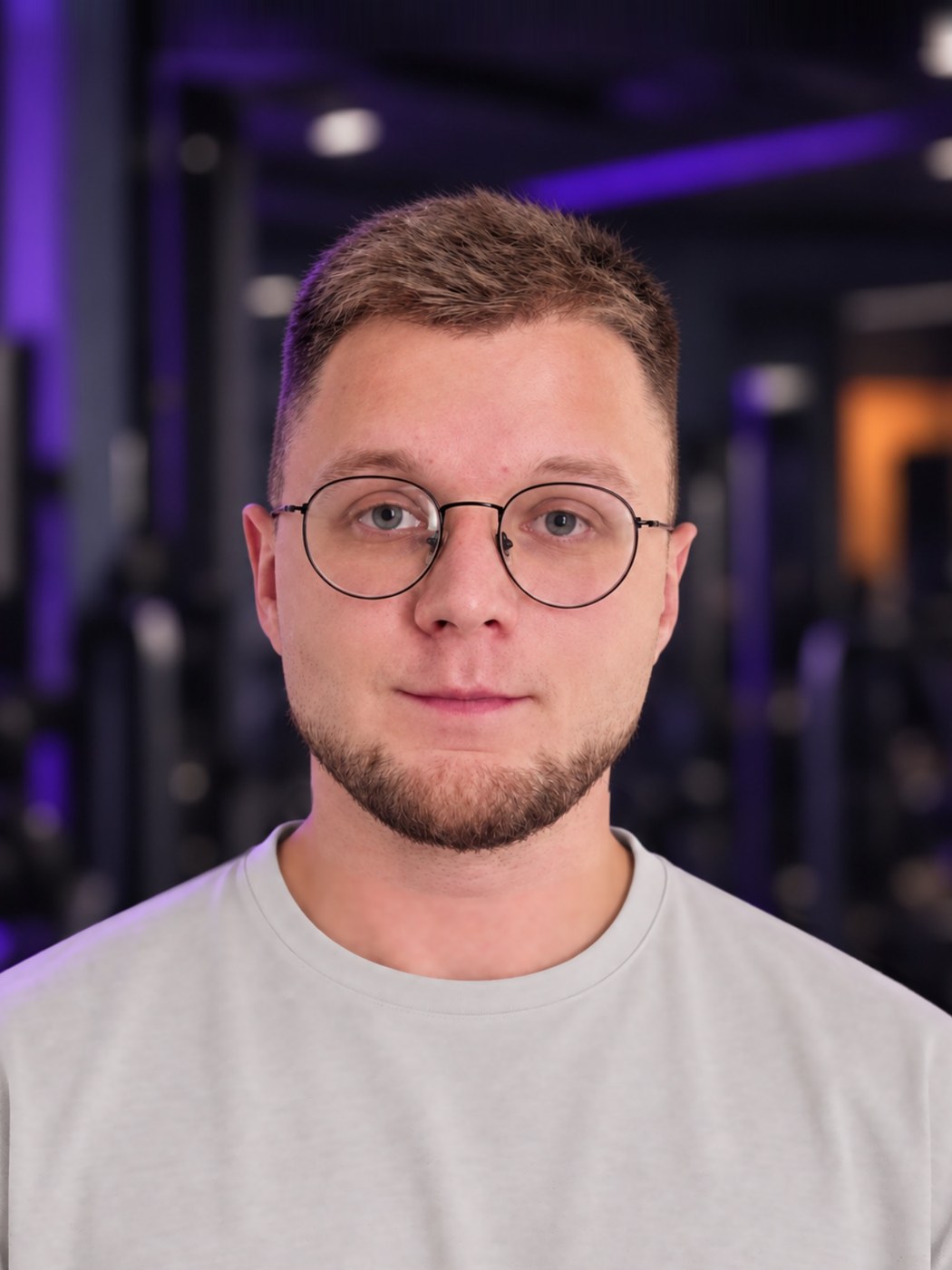
I am Demid Lobanov, a fitness coach and training methodologist. When an adult with mild, pain-free scoliosis joins a free consultation or online coaching, we do not ban lifting—we select stable exercises and monitor symmetrical control.
Two gym myths deserve clarity:
- Guesswork asymmetric exercises. For mild curves, symmetric general strength work is the base. Curve-specific asymmetric corrections should only be prescribed by a specialist after imaging and clinical assessment—random guesswork can worsen imbalance.
- The "muscle corset" guarantee. Core work builds endurance and control, but strong back muscles alone do not guarantee a pain-free spine.
| Exercise group | Role with mild scoliosis | Technique focus |
|---|---|---|
| Chest-supported rows (machines/cables) | Unloads lower back while strengthening upper back without axial load | Keep chest firmly on pad, pull evenly |
| Leg press, lunges | Build lower-body strength with controlled form and equal volume on both sides | Keep pelvis level and match volume per side |
| Neutral trunk stability (dead bug, plank) | Trains rib-pelvis control without impact | Steady breathing, zero twisting or sagging |
| Heavy barbell squats and deadlifts | Optional rather than mandatory; swap out if uncomfortable | Avoid maximal ego loads, watch bar level |
| Loaded jerky twists and heavy side bends | Often add uneven stress onto the curve | Prefer anti-rotation and neutral bracing |
Related spine-friendly principles are covered in posture workouts and training with a lumbar disc herniation. Technique breakdowns are also on YouTube at @lobanov_fitness.
How to start training with scoliosis
- Clarify your diagnosis and curve angle. Know whether you have postural asymmetry or structural scoliosis with X-ray Cobb measurement. With curves above ~20–25°, pain, or growing adolescents, see an orthopedist first.
- Separate rehabilitation from general fitness. If prescribed Schroth or SEAS therapy, do it under a physical therapist while gym work builds general strength and stamina.
- Start with stable symmetric and unilateral moves. Chest- and back-supported machines, leg presses, lunges, and dumbbell work let you progress smoothly without heavy compression.
- Film your form from behind. Internal sense of "standing straight" is often skewed with scoliosis; rear-view video catches shoulder or hip shifts early.
- Audit daily asymmetric habits. Regardless of curve degree, fix workstation ergonomics, avoid carrying heavy bags on one shoulder, vary sitting posture, and choose a supportive pillow and mattress.
- Check next-day response. Workouts should not trigger worsening back pain, trunk shift, or persistent lumbar aching.
Red flags: when to see a doctor instead of a coach
Stop training and consult an orthopedist or neurologist if any of these occur:
- curve progression on follow-up X-rays or increasing rib-hump asymmetry in an adolescent;
- back pain radiating into the glute, leg, or arm, or numbness/weakness;
- pain waking you at night or worsening at rest;
- shortness of breath during routine effort with a pronounced thoracic curve;
- sudden-onset scoliosis after trauma or abrupt gait changes.
Frequently asked questions
Can you do barbell squats and deadlifts with scoliosis?
In adults with mild, pain-free scoliosis and clean form, there is no blanket ban—yet neither lift is mandatory. If the bar tilts or one side of the back fatigues unevenly, leg presses, lunges, dumbbell RDLs, and chest-supported rows are safer choices.
Do bar hangs or swimming straighten scoliosis?
No. Swimming is great general aerobic exercise, but it does not straighten a bony curve. Dead hangs from a pull-up bar are not recommended with scoliosis because they can overstretch unstable spinal segments. Growing adolescents need medically supervised specific protocols (SOSORT, Negrini 2018).
Should I train the "weaker" side harder to straighten my back?
Self-prescribing extra asymmetric volume is not advised—muscle mechanics across a 3D curve are far more complex than they appear in a mirror. Match equal volume on both sides guided by the weaker side's capacity.
Is yoga or aggressive stretching safe with scoliosis?
For skeletally mature adults, gentle pain-free mobility rarely harms, though evidence for yoga "treating" scoliosis is minimal (Schoutens, 2020). In growing children and adolescents, routine spinal stretching is not used in protocols like Lyon (Berdishevsky, 2016).
Sources
- Hall SJ. Basic Biomechanics, 9th ed. McGraw Hill, 2022. Chapter 9 – The Biomechanics of the Human Spine.
- Negrini S et al. 2016 SOSORT guidelines: orthopaedic and rehabilitation treatment of idiopathic scoliosis during growth. Scoliosis Spinal Disord, 2018. Article · Full text
- Berdishevsky H et al. Physiotherapy scoliosis-specific exercises - a comprehensive review of seven major schools. Scoliosis Spinal Disord, 2016. Article · Full text
- Romano M et al. Therapeutic exercises for idiopathic scoliosis in adolescents. Cochrane Database Syst Rev, 2024. Article · Full text
- Dong H et al. Physiotherapeutic Scoliosis-Specific Exercise for the Treatment of Adolescent Idiopathic Scoliosis: A Systematic Review and Network Meta-analysis. Am J Phys Med Rehabil, 2024. Article
- Ma K et al. The effects of physiotherapeutic scoliosis-specific exercise on idiopathic scoliosis in children and adolescents: a systematic review and meta-analysis. Physiotherapy, 2023. Article
- Dimitrijević V et al. Application of the Schroth Method in the Treatment of Idiopathic Scoliosis: A Systematic Review and Meta-Analysis. Int J Environ Res Public Health, 2022. Article · Full text
- Ceballos-Laita L et al. The effectiveness of Schroth method in Cobb angle, quality of life and trunk rotation angle in adolescent idiopathic scoliosis: a systematic review and meta-analysis. Eur J Phys Rehabil Med, 2023. Article · Full text
- Li X et al. Effect of core-based exercise in people with scoliosis: A systematic review and meta-analysis. Clin Rehabil, 2021. Article · Full text
- Dimitrijević V et al. Effects of Schroth method and core stabilization exercises on idiopathic scoliosis: a systematic review and meta-analysis. Eur Spine J, 2022. Article
- Schoutens C et al. Outcomes of Nonsurgical Treatments for Symptomatic Adult Degenerative Scoliosis: A Systematic Review. Pain Med, 2020. Article